





Bangladesh Jamaat-e-Islami has urged the Election Commission (EC) to bar leaders and activists of any political party whose activities have been banned from contesting local government elections, a proposal that would effectively prevent Awami League figures from taking part in the upcoming polls.
In a letter submitted to the EC’s senior secretary at the end of last month, Jamaat proposed amending the electoral code of conduct to declare office-bearers and active members of banned political parties ineligible to contest elections to city corporations, municipalities, zila parishads, upazila parishads and union parishads.
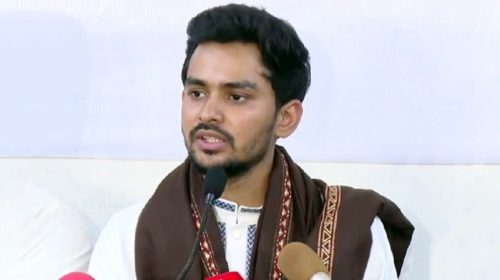
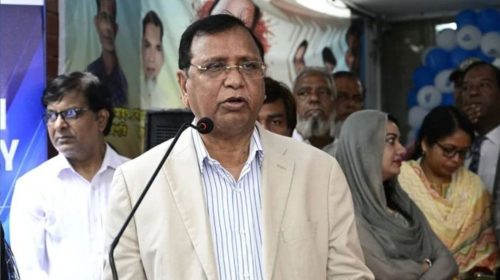
Speaking to the Daily Sun, Jamaat Publicity and Media Secretary Ehsanul Mahbub Zubair said the party had submitted a seven-point proposal, including the restriction on candidates from parties whose activities have been prohibited.
“We have proposed that no one from a banned political party should be allowed to contest elections,” he said, adding that the letter also contained several other recommendations.
The interim government banned the activities of the Awami League after it was ousted from power following the 2024 mass uprising.
The ban remains in force pending trials of the party and its leaders before the International Crimes Tribunal.
The EC subsequently suspended the party’s registration, preventing it from contesting the 13th parliamentary election.
The issue has resurfaced ahead of the government’s planned local government elections, beginning with Union Parishad polls expected in October.
As these elections are held without party symbols, questions have arisen over whether Awami League members could contest as independent candidates.
Independent MP Rumin Farhana recently raised the issue in parliament, although the government did not provide a clear position. The EC has previously said it would act in accordance with the law.
The commission has sought written opinions from political parties on a draft code of conduct instead of holding formal consultations.
Jamaat’s submission also calls for guaranteed media access to polling stations, a policy governing the use of artificial intelligence in election activities, direct election of women members to union parishads instead of reserved seats, and consultations with political parties before finalising the electoral college for zila parishad chairmanship elections.