










The Iran-US ceasefire has expired without either side showing interest in renewing talks, raising fears of another bloody conflict and renewed volatility in global energy markets.
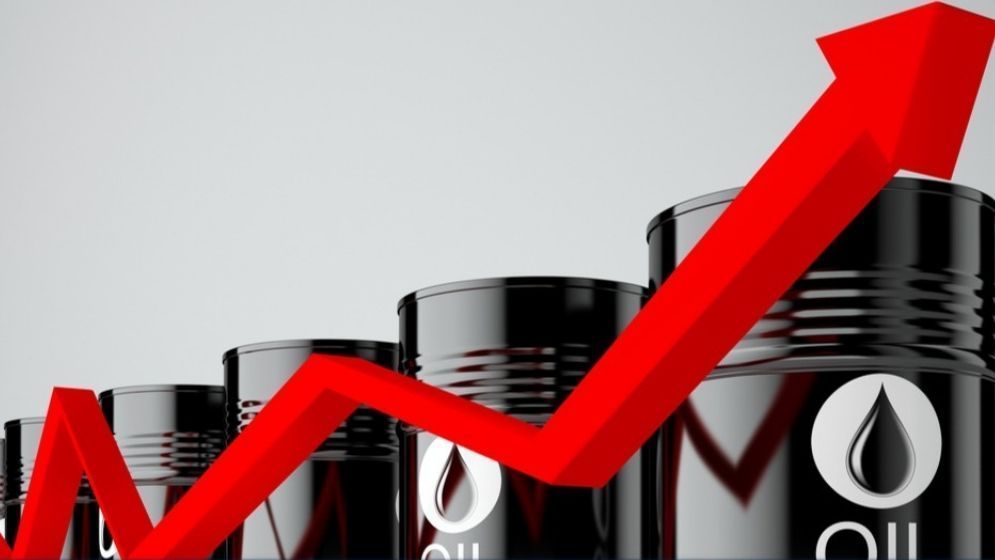
Investors fear that a fresh war could last for an extended period, prompting oil prices to rise in international markets. The prospect of a prolonged conflict has also heightened concerns about instability in the global oil market.
Oil prices climbed to their highest level in six weeks on Tuesday.
Trading Economics reported that US West Texas Intermediate (WTI) crude rose 0.79% to $85.25 a barrel. London-traded Brent crude, however, fell 0.44% to $81.23 a barrel. Oil prices have risen by more than 2% over the past week.
The United States and Iran initially agreed to a two-week ceasefire on 8 April 2026.
The two sides later held talks with mediation from Pakistan. On 17 June, they signed a memorandum of understanding for a 60-day ceasefire and temporarily agreed to consider extending the truce. However, neither side now appears willing to extend it.
As uncertainty grew over an extension, Iran warned that it would shift to a “fully offensive” military posture.
The United States has also refused to extend the ceasefire, fuelling fears that the conflict could spread further across the Middle East.
The Strait of Hormuz has emerged as the biggest concern for the oil market. The strategic waterway carries a significant share of the world’s oil supplies, and tanker traffic has fallen sharply amid the lack of progress in talks between Iran and the United States.
Only five oil tankers passed through the strait last Saturday, while no tanker travelled through it on Sunday. In comparison, 31 tankers crossed the waterway on the previous Sunday.
A prolonged disruption in the Strait of Hormuz could further restrict global energy supplies and push oil prices higher. Fresh attacks by Houthi militants in the Red Sea have also added to supply concerns.
Rising oil prices have also intensified fears over global inflation. The yield on the US 10-year Treasury note climbed to 4.728%, while the yield on the 30-year bond rose to 5.315%, its highest level in nearly two decades.
Higher oil prices could increase inflationary pressure and raise the risk that central banks will keep interest rates elevated for longer.
Sources: Reuters, Al Jazeera and Trading Economics.