








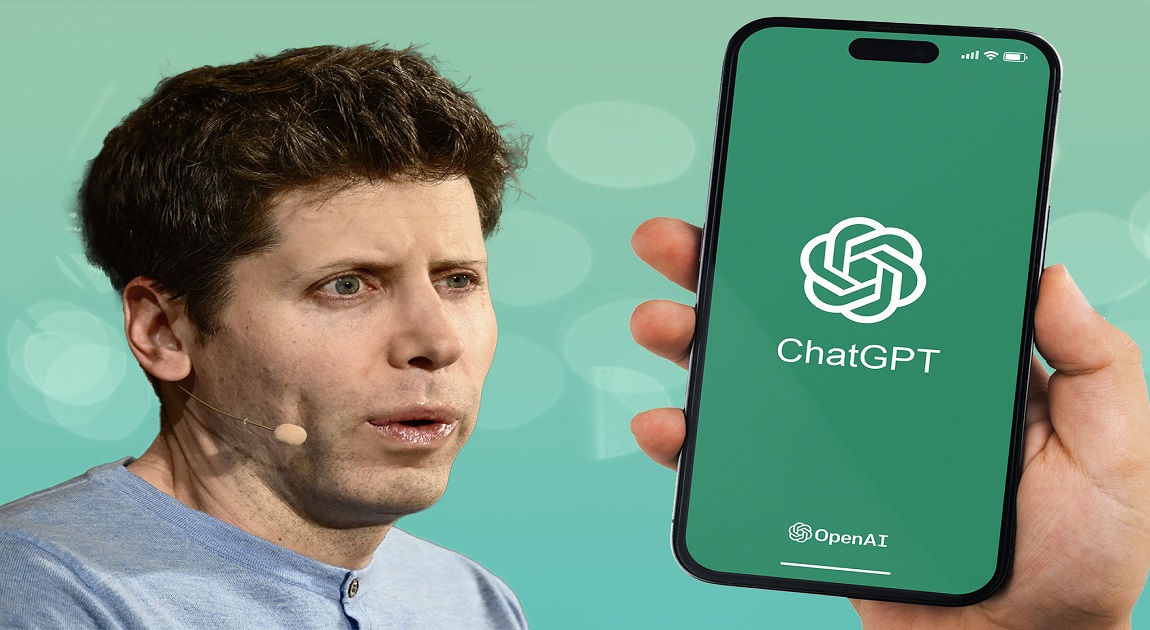

OpenAI’s latest chatbot, GPT-5, was unveiled with grand claims of being “PhD-level” smart, but the rollout has sparked widespread criticism and user frustration. Instead of delivering a breakthrough, the new model has demonstrated inconsistent performance, unreliable answers, and a markedly flatter personality, prompting public mockery and forcing CEO Sam Altman into damage-control mode.
During a livestream ahead of the release, Altman described GPT-5 as comparable to a “legitimate PhD-level expert in anything” and likened its improvements to the leap from old low-resolution iPhones to retina displays.
However, once users began interacting with the model, many encountered errors and inaccuracies, from mislabeling US presidents and states to producing faulty diagrams and maps. Journalist Tim Burke noted that GPT-5 produced bizarre spellings of early US presidents’ names, while other users reported glitches in simple task management functions.
The launch also coincided with OpenAI retiring earlier models, including the popular GPT-4o, leading to user dissatisfaction. Over 4,000 people signed a petition urging the company to reinstate the previous version. Within 24 hours, Altman announced updates, including bringing back GPT-4o for paid subscribers and promised optimizations to GPT-5.
The incident has highlighted broader challenges for the AI industry in delivering reliable consumer products. While GPT-5 may have excelled in internal benchmark tests, the hype surrounding its public release created expectations that the model failed to meet.
Critics argue that OpenAI’s misstep underscores a disconnect between the company’s promises and the practical realities of generative AI. Prominent AI researcher Gary Marcus called the launch “mid” and suggested that OpenAI’s valuation and brand credibility could be affected if such misalignments continue, noting the company has yet to turn a profit and is facing increasing competition.
The GPT-5 rollout reflects a persistent gap between the AI industry’s ambitious claims—such as creating machines capable of solving global challenges—and the current reality of chatbots with limited, defined utility. Users and experts alike are now questioning whether the next wave of AI models will bridge that gap or continue to disappoint.