







Pictures from the 1980s captured on camera film are now cherished memories for many people. But thanks to artificial intelligence, the atmosphere of the 1980s is making a fresh comeback on social media.
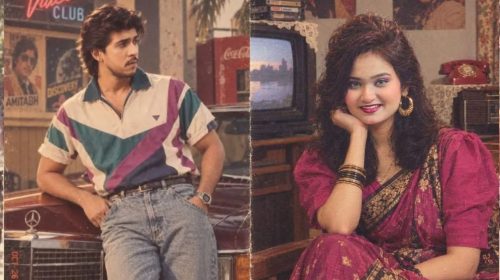
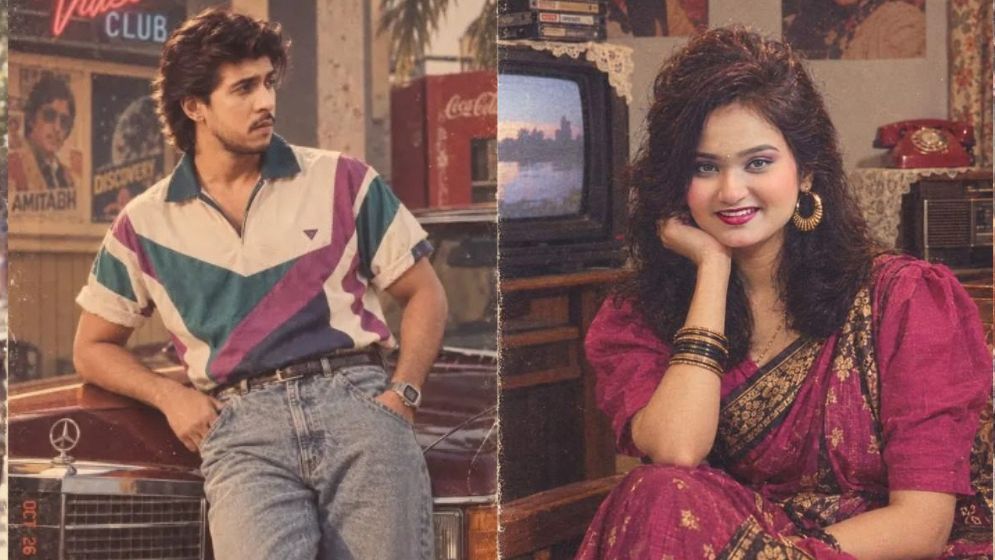
Recently, images styled after the 1980s have been spreading across Facebook, Instagram and TikTok. Using photographs of people today, AI is being used to recreate the clothing, hairstyles, home interiors, street scenes and photo-studio settings of the era. As a result, the images look remarkably similar to photographs taken with cameras several decades ago.
In this trend, some people portray themselves as film stars from 1980s cinema, while others appear seated in old-fashioned photo studios. Some images feature video cassette shops, vintage televisions, arcade games or living rooms reminiscent of the period. A grainy film texture, slight blurring and the distinctive colours of old photographs are also added to the images.
One of the most notable aspects of the trend is that users do not necessarily need an old photograph. A current photo is enough. By entering specific instructions or prompts into an AI tool, users can change the clothing, surroundings, lighting, camera style and colours of a photograph. This makes it possible to retain a person’s present-day appearance while transforming the image to reflect the atmosphere of a bygone era.
Experts say this use of technology is about more than simply creating images; it is also closely linked to people’s nostalgia. The opportunity to revisit the past in a new way, away from the rapidly changing digital world, may be what is making the trend so popular.
As a result, the 1980s are no longer confined to the pages of old photo albums. With the help of artificial intelligence, the clothing, settings and photographic styles of the era are making a comeback in images created by a new generation.
How to Create the Images
First, upload one of your photographs to ChatGPT.
Then use the prompt below to create the image.
Transform the uploaded reference photo into an authentic South Asian photograph from around the year 1980.
Preserve the person’s exact facial identity, facial structure, natural skin tone, age, body proportions and recognizable likeness. The person must remain clearly recognizable as the same individual. Do not alter or modernize the face.
Make the image look as if it was genuinely photographed around 1980, rather than a modern photograph with a vintage filter.
Create an authentic late-1970s to early-1980s South Asian visual atmosphere. Style the subject with clothing, hairstyle, accessories and grooming that were realistically popular around 1980. Use period-appropriate shirts, trousers, sarees, salwar kameez, dresses, jackets or other culturally appropriate clothing depending on the subject.
For men, consider authentic 1980-era hairstyles such as thick side-parted or brushed-back hair, modest mustaches, wide-collar shirts, high-waisted trousers, tucked-in shirts, leather belts and simple period-appropriate watches.
For women, consider authentic 1980-era hairstyles, sarees, salwar kameez, modest dresses, simple jewelry, hair accessories and makeup appropriate to South Asian fashion of the period.
Place the subject in a believable South Asian setting from around 1980, such as an old family living room, classic photographic studio, neighborhood street, school or college campus, railway station, roadside tea stall, cinema hall, old market, family courtyard or modest urban home.
Include realistic period details such as wooden furniture, vintage television sets, analog clocks, old posters, cassette players, rotary or push-button telephones, period vehicles, printed photographs and other objects that would plausibly exist around 1980.
Use authentic analog photography characteristics: 35mm film camera, slightly soft focus, natural skin texture, subtle film grain, mild film noise, slightly faded colors, warm muted tones, imperfect exposure, gentle contrast, subtle lens imperfections and realistic photographic-paper texture.
Use period-appropriate lighting: natural daylight, tungsten indoor lighting or direct camera flash. Avoid modern cinematic lighting and digital photography aesthetics.
The final image should feel like a genuine family photograph or studio portrait taken around 1980 in South Asia—nostalgic, believable, imperfect and historically authentic.
Photorealistic, high facial fidelity, authentic 1980 South Asian culture, realistic vintage photography, natural expression, realistic textures, documentary photography aesthetic.
Aspect ratio: 4:5 portrait.
Negative Prompt: 1990s fashion, 2000s fashion, modern clothing, smartphones, modern cars, LED lights, modern buildings, contemporary furniture, modern hairstyles, modern makeup, modern accessories, futuristic objects, digital camera look, excessive HDR, oversaturated colors, excessive sharpening, plastic skin, beauty filter, altered facial identity, different person, distorted face, unrealistic eyes, deformed hands, extra fingers, CGI,