










The Bangladesh-Malaysia Chamber of Commerce and Industry (BMCCI) is moving to deepen cooperation with Malaysia in semiconductor talent development, research and university-industry collaboration as Bangladesh targets US$1 billion in semiconductor exports by 2030.
The chamber recently held discussions with senior officials of Malaysia’s MIMOS Berhad and the Advanced Semiconductor Academy of Malaysia (ASEM) to turn existing partnerships into practical programmes focused on skills development, training, research and technology cooperation, a press release said on Wednesday.
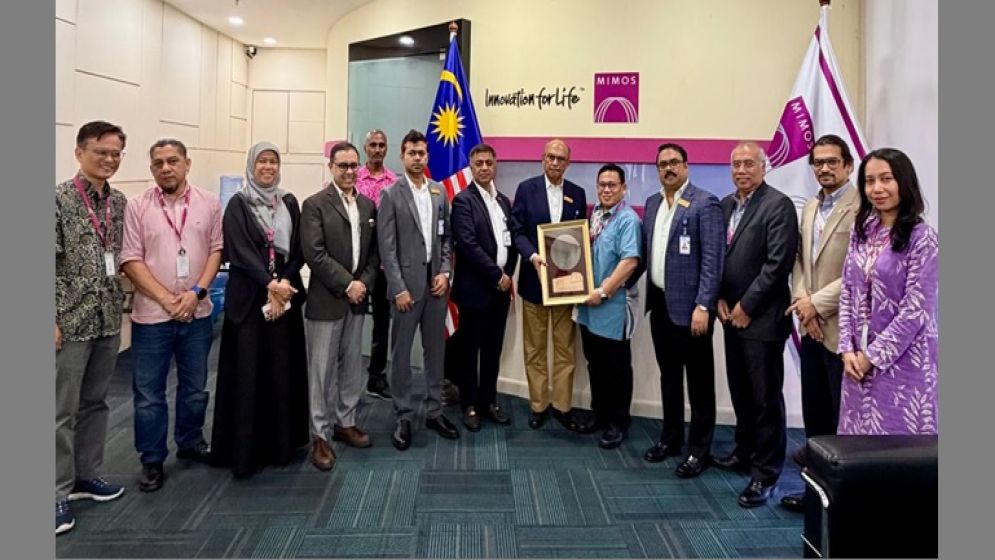
During its recent engagement in Malaysia, a BMCCI delegation met Dr Saat Shukri Embong, President and Group Chief Executive Officer of MIMOS Berhad, and Mohammad Fairus Bin Khalid, Chief Executive Officer, to discuss the renewal and implementation of the BMCCI-MIMOS Government-to-Business (G2B) Memorandum of Understanding (MoU).
The MoU was signed on 12 August 2025, at the Prime Minister’s Office in Putrajaya in the presence of Malaysian Prime Minister Dato’ Seri Anwar Ibrahim and Bangladesh’s then Chief Adviser Professor Muhammad Yunus.
The latest discussions, held in the context of Prime Minister Tarique Rahman’s official visit to Malaysia in June this year, are aimed at taking the partnership into a new phase of practical cooperation, according to BMCCI.
The proposed implementation framework includes designated focal points and an annual work plan. Key initiatives under discussion include a pilot semiconductor curriculum involving Bangladeshi engineering universities, a Train-the-Trainer programme, industry-oriented training for students and a potential joint industry or research and development pilot project.
BMCCI said Bangladesh’s semiconductor workforce needs to be developed beyond university education by providing industry-oriented training, qualified trainers, practical exposure and stronger links between universities and semiconductor companies.
Bangladesh targets US$1bn semiconductor exports
According to BMCCI’s semiconductor industry assessment, Bangladesh has more than 700 chip designers and around 1,200 semiconductor engineers, while more than 20,000 students graduate annually from computer science and engineering (CSE) and electrical and electronic engineering (EEE) disciplines.
The country’s current semiconductor export earnings stand at around US$8 million, while the national target is to increase the figure to US$1 billion by 2030.
The industry has also identified the training of 10,000 engineers in semiconductor design over the next five years as an important target.
BMCCI said these figures demonstrate that Bangladesh has an emerging talent base and capability in semiconductor design, but the next challenge is to connect that talent with international technology, training, research, industry and investment opportunities.
BMCCI expands partnership with ASEM
The chamber also held discussions with Louis Chee, Business Development Manager of ASEM, building on the BMCCI-ASEM MoU signed on 13 August 2025.
The discussions focused on converting the existing agreement into measurable programmes in semiconductor talent training, Train-the-Trainer development and university-industry collaboration.
The proposed cooperation will begin with an initial cohort of Bangladeshi semiconductor trainees, followed by a Train-the-Trainer programme aimed at building local training capacity.
The two sides also discussed talent exchange, industry exposure and stronger links between Bangladeshi universities and Malaysian semiconductor institutions and companies.
BMCCI and ASEM will work to identify participating Bangladeshi institutions, develop the first trainee cohort and prepare a six- to 12-month implementation plan.
Building a Bangladesh-Malaysia semiconductor bridge
BMCCI said Malaysia’s established semiconductor and electronics ecosystem and Bangladesh’s growing pool of engineers and chip-design professionals could complement each other and create opportunities for skills development, employment, technology transfer, research, investment and joint ventures.
Its semiconductor assessment identifies government, industry, academia and the global Bangladeshi semiconductor diaspora as key components of the country’s emerging semiconductor ecosystem.
Technology transfer, international training, investment partnerships and global linkages have also been identified as priorities.
To support the sector, BMCCI has constituted an ICT Standing Committee with a focus that includes semiconductor-related initiatives. The committee is expected to help connect industry, academia and other stakeholders and support the implementation of semiconductor initiatives with Malaysian partners.
BMCCI President Md Anwar Shahid said the next stage for Bangladesh’s semiconductor industry required building a stronger ecosystem around its existing talent.
“Our cooperation with Malaysia is about creating a practical bridge between Bangladesh’s engineers, universities and emerging semiconductor companies and Malaysia’s established technology and industry ecosystem,” he said.
He said the renewal of cooperation with MIMOS and implementation of the partnership with ASEM were important steps towards moving from MoUs to measurable programmes that create skills, technology linkages, industry opportunities and long-term value for both countries.
“BMCCI wants to play the role of a facilitator in bringing these stakeholders together and helping Bangladesh become more integrated into the global semiconductor value chain,” he added.
BMCCI Secretary General Syed Moinuddin Ahmed said the semiconductor sector required more than university graduates.
“We need industry-ready engineers, qualified trainers, practical training, stronger university-industry collaboration and exposure to international semiconductor practices,” he said.
He added that BMCCI’s immediate focus with MIMOS and ASEM would be on talent development, Train-the-Trainer programmes and institutional linkages, with the aim of delivering initial results within the next six to 12 months.