







Iran left the door open to diplomacy on Friday, six months into a war with the United States that has upended the Middle East, but only if Washington abandons its pressure campaign.
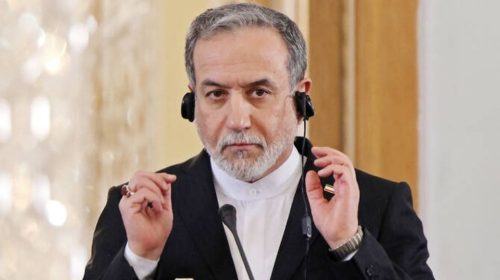
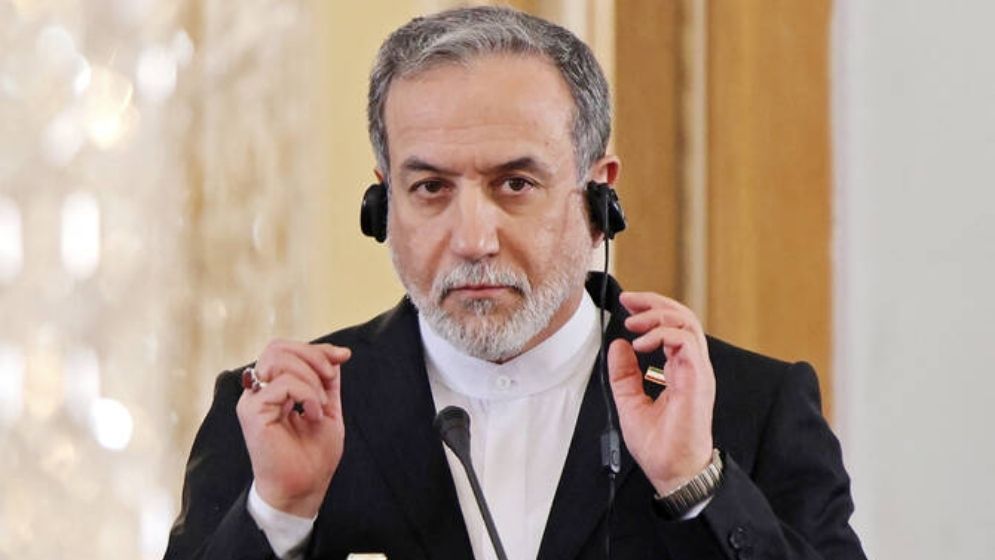
“Putting diplomacy back on track isn’t impossible. It hinges on US understanding of one simple fact: pressure doesn’t work,” Iranian Foreign Minister Abbas Araghchi posted on X on Friday.
Diplomatic efforts, spearheaded by mediators including Pakistan and Qatar, have tried for months to bring an end to the war started by the US and Israel in late February to no avail.
While a ceasefire was agreed in April and a memorandum of understanding towards a final peace deal was signed in June, no agreement has been forthcoming and Washington has since declared “economic warfare” against Tehran.
In the latest effort to reinvigorate diplomacy, Araghchi met his Qatari counterpart on Thursday in the Iranian capital to discuss the Strait of Hormuz, closed by the Islamic republic at the start of the war, at the tail end of a week of intense Iranian talks with Oman and Pakistan.
A US naval counter-blockade of Iranian ports is squeezing petrol supplies in Iran, amid a shortfall of domestic production, as the US ramps up pressure on its foe, declaring an “economic D-Day”.
The April ceasefire put an end to the most intense fighting, but sporadic attacks, mainly around the Strait of Hormuz, have dimmed the prospects of a final peace agreement.
‘Build trust’
Tehran has for weeks been holding talks on the future of Hormuz with Muscat, whose territorial waters account for the other half of the strait, while insisting that Hormuz will remain closed so long as Washington has not fulfilled its commitments under the June memorandum, which calls for lifting the US counter-blockade and removing sanctions.
“The US should build trust, speak respectfully, acknowledge our rights, and uphold commitments,” Araghchi said.
Iranian lawmaker Esmail Kowsari reiterated to state television on Friday that if the memorandum was not implemented and the US “does not respect its commitments, not only will the Strait of Hormuz remain closed, but the United States must be ready for our offensive actions and we will seek them in the most distant places”.
While Washington now aims to crush Iran economically, Tehran has weathered decades of international sanctions and experts remain sceptical about how much more pressure the US can bring to bear.
Analysts say the US plan to isolate Iran would require unlikely cooperation from trading partner China, which has defended its cooperation with Tehran and vowed to safeguard its interests.
China remains able to buy Iranian crude, an important source of revenue for Tehran, via overland routes not reliant on the Strait of Hormuz.
US Treasury Secretary Scott Bessent has said “no one is above the reach of US sanctions” when asked if Washington would target Chinese banks that do business with Iran, ahead of an expected September visit by Chinese President Xi Jinping to the US capital.